

Darren Codona has spent most of his life around boxing.
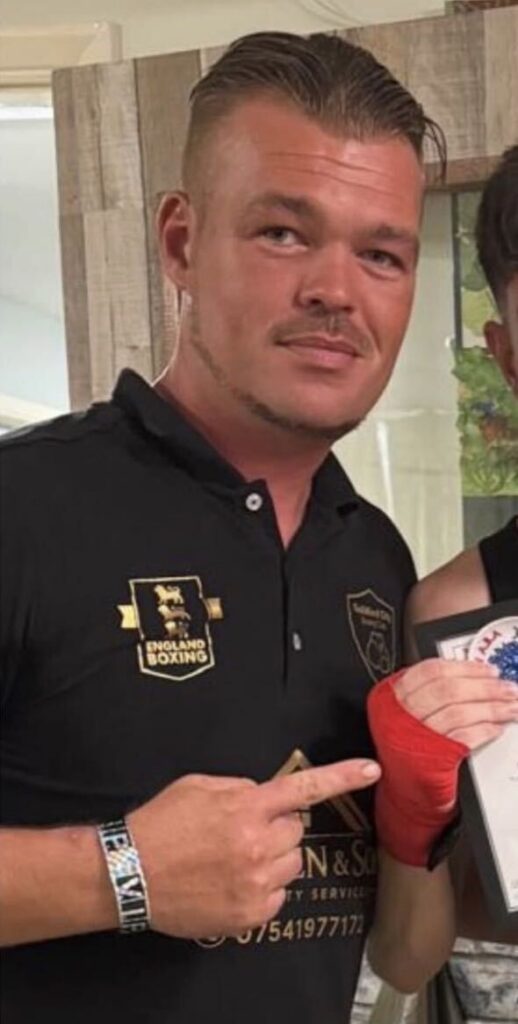
He started as a young boxer in Scotland before moving to England, joining Guildford and building a successful amateur career. He turned professional at the age of 16, eventually stepping away from boxing in his mid to late twenties. Retirement brought Darren out of the ring, but not away from boxing. He soon began coaching at Guildford under Ben Harmsworth.
Codona quickly discovered that being a good boxer did not automatically make him a good coach. He had to learn how to take what he knew, understand it differently and communicate it to someone else.
Now, as the newly appointed head coach of the Southern Counties, he wants to use those experiences to bring the region together, develop its boxers and rebuild the squad system. His approach is not simply about producing individual fighters. It is about creating a coaching team across Surrey, Sussex, Kent and Hampshire and giving boxers more opportunities to develop.
From Boxer to Coach
Codona started boxing in Scotland before his family moved to Surrey, where he joined Guildford at a young age.
He picked up several Southern Counties titles and enjoyed what he describes as a positive amateur career, but made the decision to turn professional at just 16. He never had a senior amateur bout at the time, something he now regrets.
His professional career was built around competitive fights rather than taking an easier route through journeymen. After his first couple of bouts, he told his uncle that he wanted proper opponents because he was not getting much from the easier fights. He spent the rest of his pro career taking on competitive 50/50 fights before hanging up the gloves in his mid-twenties.
Leaving boxing created a gap.
After spending so much of his life involved in the sport, Codona needed something to replace it. That was when he began coaching at Guildford, initially under Ben Harmsworth.
“You don’t realize how much difference it is from being a decent boxer to try and actually convert what you know and try and teach boxing itself.”
Learning From the Coaches Around You
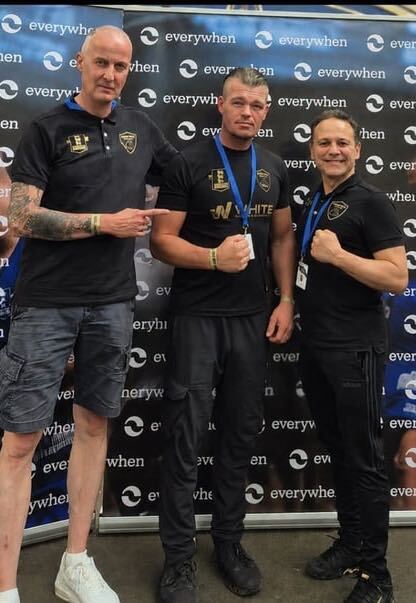
One of the clearest themes from our discussion is how much Cardona has taken from the people around him. His uncle, George Carman, introduced him to the importance of the jab at a young age. Codona still returns to that principle when working with his own boxers.
He also spent time with Al Smith at iBox during his professional career. One idea from Smith that stayed with him was the two-second rule. The principle is simple: if nothing is happening for two seconds, the opponent has an opportunity to settle, think and establish themselves.
That does not necessarily mean throwing a punch every two seconds. It could be a head movement, a shoulder twitch, a change of feet or another action that prevents the opponent from becoming comfortable.
Coaching Is More Than What Happens in the Ring
When travelling to competitions, the coach is not only responsible for the technical preparation. There is also organisation, communication and managing the boxer throughout the experience. Codona described this as an important part of his development, particularly through taking boxers to international box cups.
As Southern Counties head coach, he is not only looking at what happens during a squad session. He is thinking about how the different divisions work together, how boxers are selected, how teams travel and how the region can create opportunities for its athletes. The coaching itself is only one part of a complex job you have to do.
Bringing the Divisions Together
Southern Counties covers Surrey, Sussex, Kent and Hampshire, with each division bringing its own coaches, boxers and experience.
Codona wants to use that as a strength. He has already begun building relationships with the divisional coaches and sees them as part of a wider coaching team rather than separate groups working independently.
The plan is to establish regional squad days where coaches and boxers from across the divisions can work together. Codona has already attended squad sessions run by coaches including Harrison Frew and Harry Morris, giving him the opportunity to see different approaches and coaching styles first-hand.
“We bring each division in and try and create a bond, make it a bit more of a family affair than just this division there or that division there, try and bring a unity in.”
He wants the region to eventually have regular squad sessions, with two or three taking place each season, before developing towards representative matches and international competitions. The longer-term ambition is to take selected Southern Counties teams to events such as King of the Ring and other international box cups.
But first, the foundation has to be built.
A Region With More Talent Coming Through
Another part of Codona’s vision is to bring greater significance back to representing the region. He believes being selected for the Southern Counties should feel like an achievement.
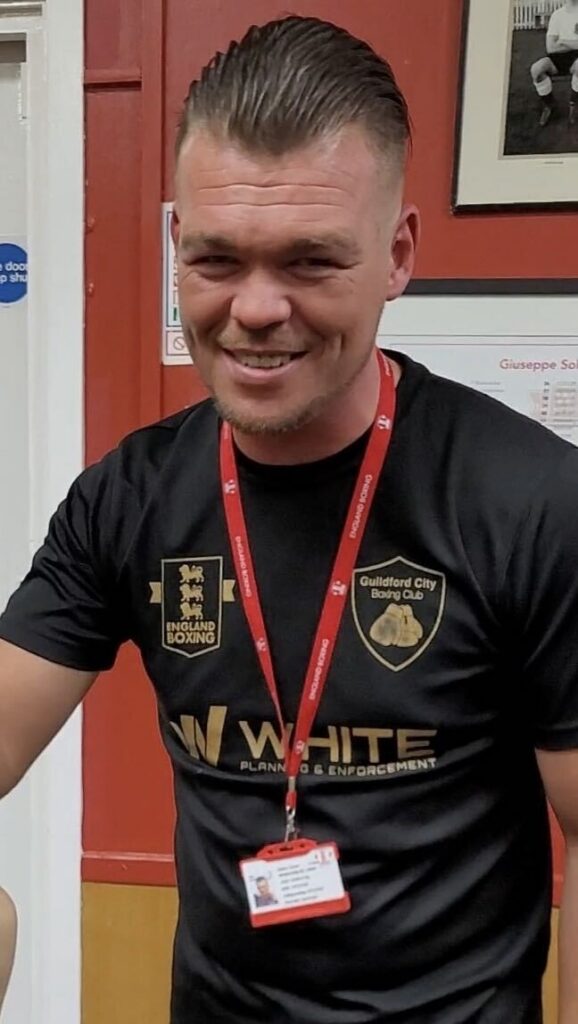
Rather than simply selecting boxers for an upcoming round robin, his plan is to hold a selection day beforehand, bringing several of the best boxers from each division together and selecting the team from there. The idea is not simply to add another competition to the calendar. It is about creating a sense of pride around representing the region and giving boxers another meaningful target to work towards.
There are already signs that the grassroots level in the region is becoming increasingly competitive. Codona pointed to the Development Championships as one example.
He has seen more boxers competing through multiple rounds rather than receiving byes deep into competitions, with recent events producing a significant number of bouts across two rings. For him, that increase in participation is encouraging because today’s development boxers will eventually become the region’s senior athletes.
He also highlighted the standard of some of the younger boxers he has watched recently, noting that their skill and ability stood out even at development level. The implication for the region is straightforward: there is talent coming through, but that talent needs an environment in which it can continue developing.
What Would Success Look Like?
Codona’s ambitions for his first year are relatively clear. First, he wants to establish consistent venues and dates for regional squad sessions so coaches and boxers know when and where they will take place. He also wants the region to have a team ready to compete at King of the Ring the following year.
Beyond individual events, however, he wants something broader: unity between the divisional coaches and a shared plan for where Southern Counties is heading. Rather than trying to achieve everything immediately, Codona wants to establish the relationships, venues, squad system and selection process that can support the region over several years.
Building Something Together
Codona’s appointment comes with clear ambitions, but his message to the clubs, coaches and boxers across Southern Counties is straightforward.
Give him time.
He is working on venues. Regional representative matches are being planned. Squad sessions are part of the longer-term structure. International competitions are an ambition for the future.
The pieces still need to come together.
But Codona sees the potential in the region and believes that the combination of its coaches, clubs and emerging boxers can create something stronger.
“I know it’s supposed to be a hobby and we’re all volunteers, but for me boxing isn’t a hobby and I’m 24/7. I love the sport.”
For the Southern Counties, the next stage is about turning that enthusiasm into a functioning system. And, ultimately, a stronger pathway for the boxers coming through the region.
Codona is starting with the foundations. The next few years will show what can be built on them.