

In episode #114 of The Box Gathering Podcast, we sat down with Liverpool boxing legend turned coach, “Dirty” Derry Mathews, for an insightful conversation into what makes a successful coach, club, and community. This episode goes beyond Derry’s decorated pro career to focus on his journey as a coach, highlighting his unique approach, the structure behind his club’s achievements, the spirit of teamwork, and their deep-rooted community work.
From Fighter to Coach: A Lifelong Calling
For Derry Mathews, coaching wasn’t an afterthought; it was part of the plan long before his pro career.
“I always wanted to be a coach, even from when I was in school… I always wanted to keep involved in the sport and put something back into the sport that’s been good to me.”
From qualifying as a personal trainer at 17 to earning England Boxing Level 1, 2 and 3 badges, Derry’s progression into coaching was deliberate. This early foundation has shaped his philosophy: boxing isn’t just about producing boxers, but about giving back to the sport and community.

Building a Coaching Team Without Ego
At Derry Mathews Boxing Club, success is shared. One striking theme throughout Derry’s approach is the emphasis on planning and teamwork. Derry’s gym builds on a collaborative effort: multiple coaches, matchmakers, and specialists all working together.
“It’s not about ego for me… the boxer is the most important person.”
This collaborative approach allows for detailed planning of training cycles, tournament schedules, and sparring sessions, while also balancing coaches’ other commitments.
The Power of Planning and Periodisation
One of the biggest improvements in the club’s performance came from what Derry learned through his Level 3 coaching course.
With fewer amateur boxing clubs following a “football-style” season anymore the only real break is a short December shutdown, keeping the Youth Championship contenders ticking over. But between box cups, national tournaments, and international sparring trips, the schedule runs almost year-round. This makes having a visual, written plan for the whole season critical for keeping boxers on track and making sure the coaching team stays aligned.
By mapping the entire season, he ensures every boxer has the right preparation at the right time. The team’s structure includes clear blocks for conditioning, technical work and sparring.
While many gyms still rely heavily on hard sparring, Derry takes a measured approach.
“I’m not a believer in heavy sparring, I think the fight’s too hard.”
Instead, he favours technical sparring, rotating partners every 30 seconds, and keeping fighters sharp without unnecessary damage. Sessions are varied, including track work, shadowboxing, partner drills, whistle-led bag work, and circuits, all designed to keep athletes engaged and developing.
Community First
The gym’s impact goes far beyond winning bouts. Derry runs free men’s mental health classes three times a week, works with the homeless, and organises community events.
“There’s so much community stuff we do. Putting on Christmas nights like last year, we fed 500 kids in the city, made sure they all got toys.… We put on a pantomime for them, put on in a hotel, and we’ve done a big fun fair outside. So you know you’ve got to look after, if you can, you’ve got to look after your people around you.”
The message is clear: a boxing club should be a hub for positive change, not just a factory for boxers.
Luke Prior’s Rise
Luke Prior’s progression from novice to Three Nations champion is a prime example of the club’s approach in action. Heavy-handed yet still developing, his success stems from tailored training and the right environment.
“I think being around good people, good fighters, good coaches, and a good atmosphere in the gym brings the best out of anyone. A happy fighter is a dangerous fighter.”
Luke’s style wasn’t overhauled, but instead refined through quality sparring and targeted training to maximise his strengths.
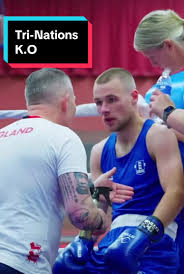
This mindset shows in moments like the ABA finals when Derry stepped back to let another coach on his team stay in Luke’s corner—because that’s what had worked in the build-up. Luke went on to win the 3 nations emphatically also by stoppage.
Lessons for Coaches and Boxers
1. Plan Relentlessly, but Stay Flexible
Detailed season plans, clear training blocks, and open communication between coaches can transform performance.
2. Put the Fighter Before the Coach
From stepping out of the corner to skipping the branded top, Derry and team keeps the focus on the athlete.
3. Prioritise Technical Development
Reduce wear and tear with smart sparring and targeted skills work.
4. Build a Supportive Environment
A positive gym culture, both in training and socially, can bring out the best in boxers.
5. Give Back to the Community
Strong community ties not only help others but also create a loyal support network for the club.
And a final word from Derry:
“I don’t know everything. No coach does… I like to listen and learn from other coaches.”
In an era where some coaches cling to old habits while others jump on new trends, Derry blends that openness to learning with traditional boxing values like humility and putting others first, and that might be the real secret behind his club’s successes.