The following article is a summary of a fantastic conversation we had at The Box Gathering with Thomas La Cour and Cal Jones. Thomas is a black belt and former pro MMA fighter. He is a MMA coach who also teaches LE defensive tactics. Here is an insight into his methodology in approaching clinching in combat sports.
Cal Jones is a well-known voice within the motor learning and ecological dynamics community, recognised for his extensive knowledge and practical application of these concepts in grappling sports. A highly experienced judo coach, Cal holds a Master’s degree in Advanced Coaching Practice, with a particular focus on the Constraints-Led Approach (CLA) and representative learning design.
Clinching is one of the most misunderstood yet strategically rich aspects of boxing. To the untrained eye, it can appear merely as two boxers holding onto each other in moments of fatigue. But to experienced boxers, coaches, and historians of the sport, the clinch is a sophisticated tool—one that can shut down an opponent’s offense, create tactical advantages, and shape the rhythm and geography of a fight. Far from being a passive act, clinching is an active skill rooted in biomechanics, leverage, and intention.
Shutting Down Offensive Opportunities
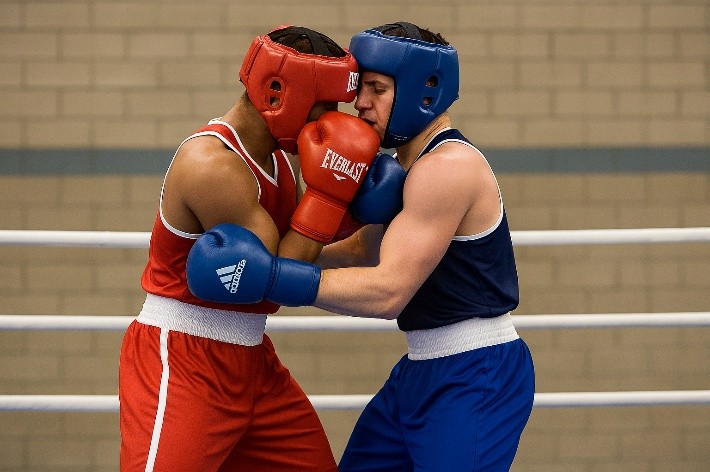
At its core, the clinch allows a boxer to limit an opponent’s ability to punch. This can be applied both actively and reactively.
An active clinch is a pre-emptive tactic. Imagine facing a dangerous combination puncher—someone who thrives in mid-range exchanges. Instead of lingering in that danger zone, a boxer can initiate the action with a lead attack, land their shot, and immediately tie up. By doing so, they deny the opponent the ability to respond with the combinations they excel at. Some call this, ‘Jab and Grab’.
A reactive clinch is more defensive. When a boxer is being pressured or overwhelmed, clinching can instantly break the opponent’s momentum and smother their attacks. This is especially valuable against fighters who build rhythm and output through combinations: no space, no punches. And of course, depending on the code of boxing – amateur or pro, there is more leniency to such tactics.
Modern boxing rules primarily allow clinching by tying up the opponent’s arms and disrupting their structural alignment. While this must be executed within the limits of legality, elite boxers have mastered the subtlety needed to use it effectively without drawing constant referee warnings, especially in the pro ranks.
Wearing Down the Opponent
Clinching has long been used as a tool to sap an opponent’s energy. Physically tying up and leaning on the other boxer forces them to carry additional weight, taxing their legs and core over the course of the fight.
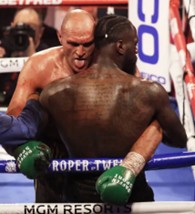
A famous recent example is Tyson Fury’s approach against Deontay Wilder—especially in their second fight—where Fury repeatedly pushed Wilder back, hung on him, and made him bear weight in the clinch. Over time, this contributed to breaking down Wilder’s posture, power, and stamina.
“This strategy harkens back to older eras of heavyweight boxing, where infighting and mauling were central elements of the craft.“
Crafting Ring Position
The clinch is also a tool for manipulation—not just of limbs, but of space. Skilled infighters like Roberto Durán used the clinch to physically move opponents into unfavourable positions. Durán often tied up his opponent, spun them at a 90-degree angle, and nudged them backward. When the referee separated the fighters, Durán’s opponents suddenly found themselves backed into corners or against the ropes.
This is clinching not as a pause in the action, but as a repositioning tactic—turning neutral moments into opportunities for territorial control.
Opening Attacking Opportunities
Contrary to the belief that clinching is purely defensive, fighters can create offensive openings from tie-ups and clinch breaks. By deliberately off-balancing an opponent, a boxer can force them into vulnerable positions where short hooks, uppercuts, or punches during the break become available. Floyd Mayweather, for instance, was adept at framing or cross-facing an opponent (pushing their head aside with the forearm) and landing crisp counters as the clinch dissolved.
Understanding Clinch Positions: The Three Structural Lines
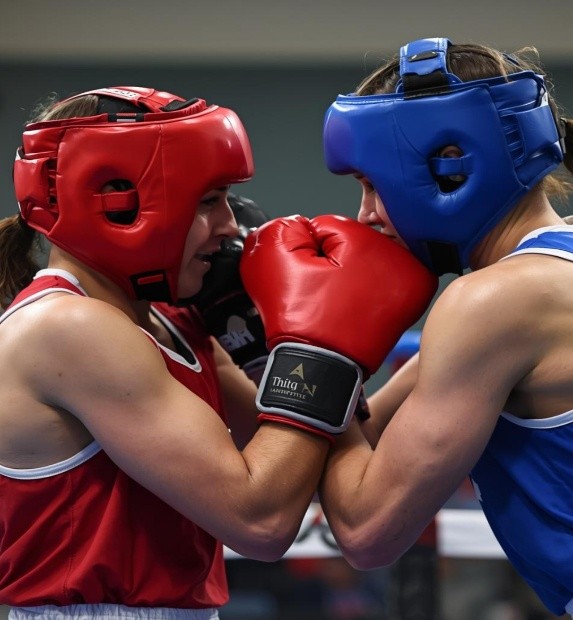
Although boxing is not wrestling, it shares universal principles of body control. To simplify clinch anatomy, we can think in terms of three “structural lines” of connection: the hand line, elbow line, and shoulder line.
1. The Hand Line
This involves stiff-arming, framing, or pushing at the opponent’s upper chest or neck area. It helps maintain distance or disrupt incoming attacks.
2. The Elbow Line
This includes collar ties, tricep control, and cross-faces. Muhammad Ali used a variation of this—pulling on the head while grabbing the tricep—to keep opponents off balance and neutralized.
Elbow-line control is key to manipulating posture, creating space, or smothering attacks.
3. The Shoulder Line
This covers underhooks and overhooks. An underhook (swimming your arm under your opponent’s) gives inside control and leverage. Your opponent’s natural response, an overhook, puts them in a mechanically weaker position.
“Mike Tyson, for example, often used exaggerated outside ties—wrapping around the waist—to pivot off and launch devastating hooks as he emerged from the clinch.“
Head Position: The Hidden Advantage
Head placement is one of the most underrated aspects of clinch fighting. The ideal position is to place your forehead under your opponent’s chin. This disrupts their alignment, weakens their ability to generate power, and allows you to drive them backward with minimal effort. It’s small, subtle, and brutally effective. But watch out for cautions which may become warnings, especially in the amateur ranks.
Inside vs. Outside Control
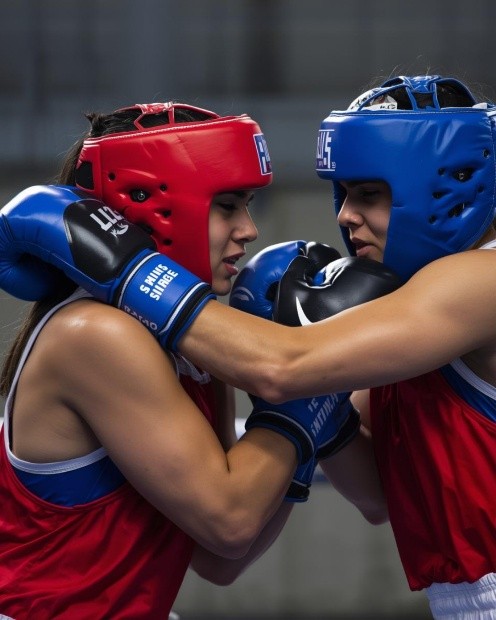
In almost every tie-up scenario, inside control is superior. If you have your arms inside your opponent’s, you can shut down their leverage, limit their punching ability, and dictate the direction of movement. While outside control can be used creatively—as Tyson often did—it generally offers fewer mechanical advantages unless you’re using it to pivot or off-balance the opponent.
Games can be an effective way for boxers to learn and apply these principles. Tasks can be given to one or both boxers in a spar with conditions put in to allow success under a suitable level of challenge from the partner.
A simple example could be for boxer A to ‘jab and grab whilst boxer B tries to maintain short to mid range. The task for Boxer A is to thwart any sustained attacks and frustrate boxer B. The game can be scaled to the individual’s abilities with constraints being manipulated to aid this.
From Thomas’ approach around the 3 structural lines, that are many ways in which spars can be constrained for boxers to achieve structural advantages as part of their task goals. Constraints can be added to help the boxers have their attention focusses on specific or various outcomes.
“Boxers can of course, ‘pick-up tricks’ in sparring or been overtly shown a technique to apply, but having a conceptual approach and understanding how to apply principles will arm the boxer with a much more functional and flexible skill set to help nullify an opponent’s tactics and support their own.”
Thomas finished by mentioning;
“In a sport of inches, the clinch is where champions steal miles.”