

Are Pads Actually Helping Boxers?
In episode 30, we look at something almost every boxing coach uses: pads.
Padwork is a big part of boxing training. It can look sharp, fast and impressive, especially when the coach and boxer know the routine well. But looking good on pads does not always mean the boxer is learning something that will actually help in competition.
The main question this episode asks is simple: How are pads helping boxers become better at boxing, or are they just making them better at hitting pads?
We are not saying pads are useless. Far from it. Pads can be great for confidence, technique and building a connection between coach and boxer. . But are they always being used in a way that helps boxers learn? Pads can be great for confidence, technique and building a connection between coach and boxer. The problem is that padwork can sometimes become too predictable. When that happens, the boxer may stop thinking for themselves. They stop solving relevant problems.
“Good padwork should not just make a boxer look sharp. It should help them solve real boxing problems which the sport poses”
When Padwork Becomes Too Predictable
A common example is when the coach shows the left pad and the boxer throws a jab, then the coach shows the right pad and the boxer throws the backhand.
A boxer might look sharp throwing jab, backhand, roll, hook on the pads because they already know the pattern. But in sparring, if the opponent changes the timing or moves out of range, the same boxer may not know what to do next. Opponents are not compliant like a pad holder is.
This can help beginners learn basic shots, some sort of technique out of context, but boxing is not that simple.
In a real bout, the opponent moves, defends, counters, changes range and gives the boxer problems to solve.
If padwork is always clean and planned, the boxer can look great in the gym but still struggle when things become messy in sparring or competition. Real boxing is not just about throwing punches correctly. It is about knowing when to throw, why to throw, and what to do before and afterwards.
Looking Good Is Not the Same as Learning
This is where coaches need to be careful. If the coach always gives the boxer the answer, the boxer does not have to make a real decision. They just follow the signal.
Below, you can see our Boxing Model, which provides an overview of some of the key dynamics that happen during a boxing bout. We’ve also linked a short video below that explains the model in more detail. Many of these dynamics are not present in traditional padwork, which is why coaches should aim to make pad sessions more representative of real boxing.
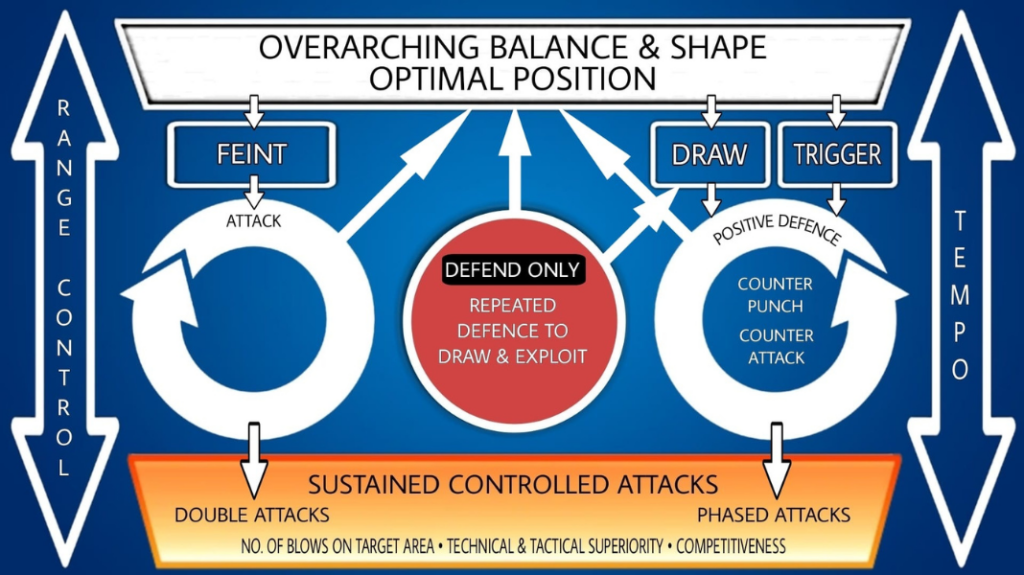
Over time, padwork may look impressive without properly preparing the boxer for the ring.
A question we should ask is: can we use an approach to pads in a way that makes the boxer think? Instead of always telling them exactly what to throw, the coach can give them more choice. The coach might show targets and let the boxer decide which shot fits. Then the coach can move, punch back, change the distance or make the boxer adjust. Be uncooperative. Small changes during padwork help the boxer adapt to different situations.
This makes the session feel closer to real boxing. The boxer has to perceive and act instead of just following a routine.
“If the coach always gives the answer, the boxer does not have to solve the problem.”
Range Matters
Range is another big part of this. In some pad sessions, the coach makes the distance too easy by stepping into the perfect range and holding the pads still.
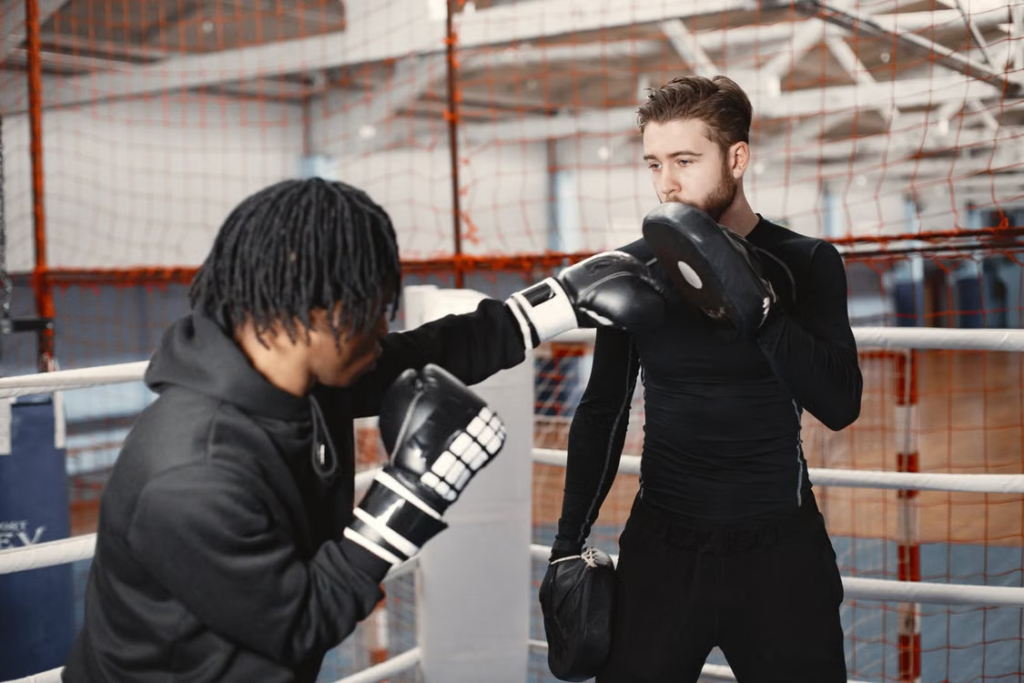
The boxer lands the shot, but the coach has done a lot of the work for them.
For example, if the coach steps into range every time, the boxer may feel like they are landing well. But in sparring, when the opponent steps away, that same shot might fall short.
That can create false confidence. In a real bout, the opponent will not always be in the perfect place. They may step back, slip, block or punch back.
Good padwork should help the boxer find the range themselves, not just have it handed to them.
Coaches Should Punch Back More
Boxing is not only about attacking.
A lot of padwork is mainly focused on offence. The boxer throws combinations, but the coach does not always punch back enough. This can become a problem when the boxer spars or competes. In addition, the punches come back as agreed or pre-planned punches atpre-planned times. The need for the boxer to perceive becomes less and less.
Many novice boxers can throw decent shots, but then pause, fall in or get caught straight after attacking.
Padwork can help if the coach makes the boxer defend, move and reset after punching.
For example, after a boxer throws a combination, the coach could punch back lightly so the boxer has to defend, move their feet or reset before attacking again. The punch could come during the shot. By creating varied, unscripted counters to the boxer, we can heighten the need for the boxer to read and react. The best boxers spot punches at source, not as the punch comes.
The session should not only ask:
“Can you land the shot?”
It should also ask:
“Can you stay safe before and after it?”
Body Pads Give More Options
Body pads can also make padwork feel more like real boxing. Instead of only aiming for hand targets, the boxer has more choices about where and when to punch. The coach can move, block shots or change position, making the boxer adjust instead of following a fixed pattern. This creates a more realistic session where the boxer has to read the situation and make decisions, rather than simply memorising combinations.
Missing Can Be Useful
Another useful point from the episode is that boxers should miss sometimes. Coaches should avoid making boxers miss in a way that could cause injuries , such as hyperextension at the elbow of course, but making the boxer miss provides feedback that they haven’t scored. After all, a scoring blow must include ‘sufficient force on the target area.’
In most pad sessions, almost every punch lands. But in real boxing, punches miss all the time. Opponents move their heads, block, roll, step away and change position.
If a boxer is not prepared to miss, they may lose balance or panic when it happens in sparring. Making a boxer not connect well is not about embarrassing them. It is about seeing what happens next. An opponent wants you to miss!
Coaches can ask:
- Do they stay balanced?
- Can they defend after missing?
- Can they recover and go again?
Those moments can teach a lot. Missing can show both the coach and the boxer what still needs work. This is not a reductionist approach, but one that helps the boxer not sacrifice balance and stability for a punch.
The important thing is that the coach explains why they are doing it, so the boxer understands that missing is part of learning, not failure.
“Missing is not failure. It can show balance, recovery and decision-making under pressure. It is a prevalent dynamic between 2 boxers.”
Learning Does Not Always Look Clean
This means padwork will not always look perfect, and that is fine.
Learning does not always look clean. If everything is smooth, easy and predictable, the boxer may not be dealing with enough real problems.
Of course, clean padwork still has a place. Before a bout, a boxer may need confidence, or sharpening. But in training, they also need challenge. They need moments where they have to think, adjust, recover and solve problems.
The balance is important. Sometimes the boxer needs to feel sharp and confident. Other times, they need to be tested.
What Coaches Can Take From This
Pads are not the problem. The issue is whether the padwork has a clear purpose.
Used well, pads can help boxers build confidence, develop skills and solve realistic boxing problems. Used poorly, they can become a routine where the boxer looks good but does not have to think. When perception and action are separated, we inevitably have transfer of skill problems.
If this episode got you thinking about how boxers actually develop skill, You may also find this episode useful Boxing Combos are Information-Driven. It builds on many of the ideas we discussed here, exploring why combinations emerge through interaction rather than being planned in advance, and how coaches can design practice that better reflects the demands of real boxing.
Summary
- Give every pad session a clear purpose.
- Let the boxer make decisions by presenting problems. Do not always tell them exactly what to throw or give them the answer before they have to solve the problem.
- Make the range realistic. Avoid stepping into the perfect distance or bringing the pads towards every punch.
- Punch back more often. The boxer should practise defending, moving and resetting after attacking. Sometimes think more as a boxer as opposed to a coach when using pads.
- Use body pads to give the boxer more choice about where, when and how to punch.
- Let the boxer miss sometimes. Use missed punches to check their balance, recovery and ability to defend.
- Balance confidence with challenge. Clean padwork has value, but boxers also need sessions where they have to adapt and solve problems. Find the challenge point for the boxer in front of you.